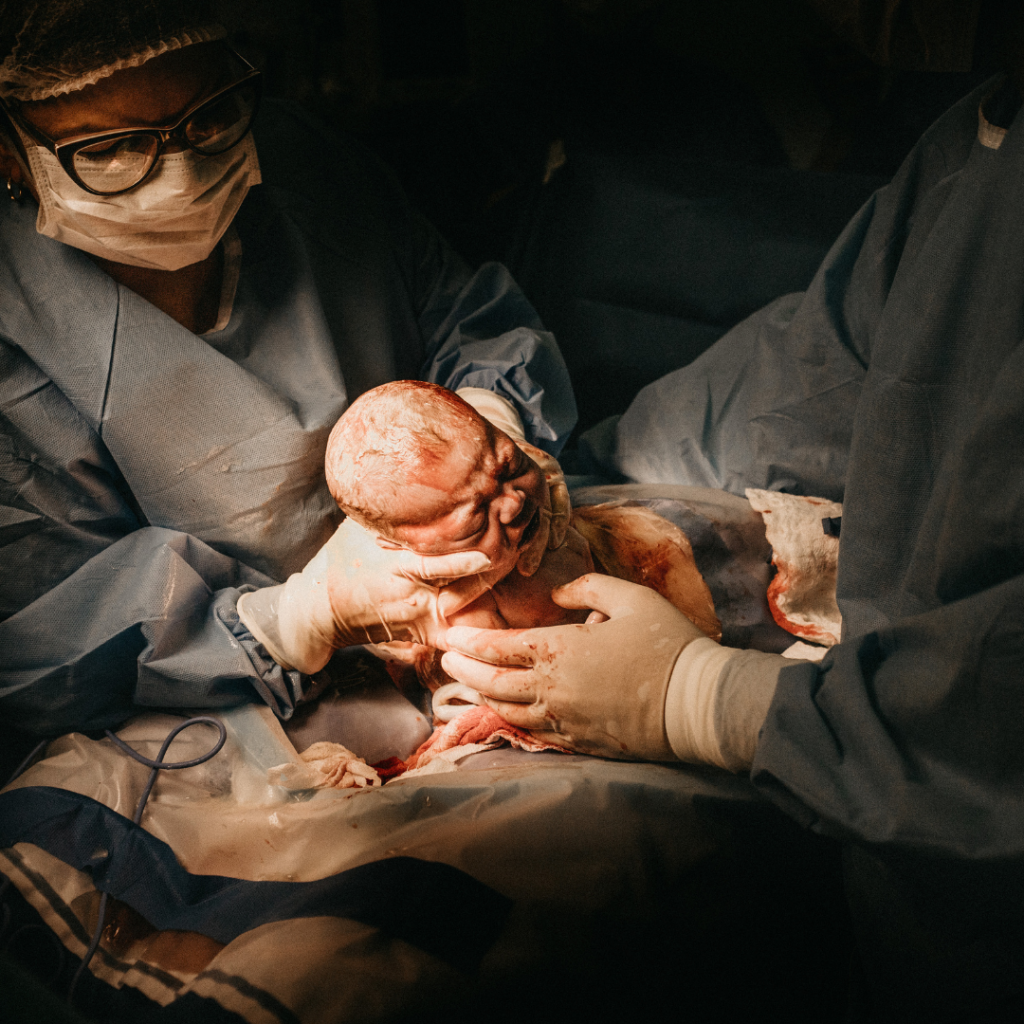
The episiotomy. Unknown word that will become part of your vocabulary once the most important date of your life approaches. This is undoubtedly one of the great fears that you are going to face when you think about the moment of childbirth.
What is episiotomy? When is it done? How to prevent it? Is it the same as a tear? In this article we try to resolve all your doubts. Keep reading!
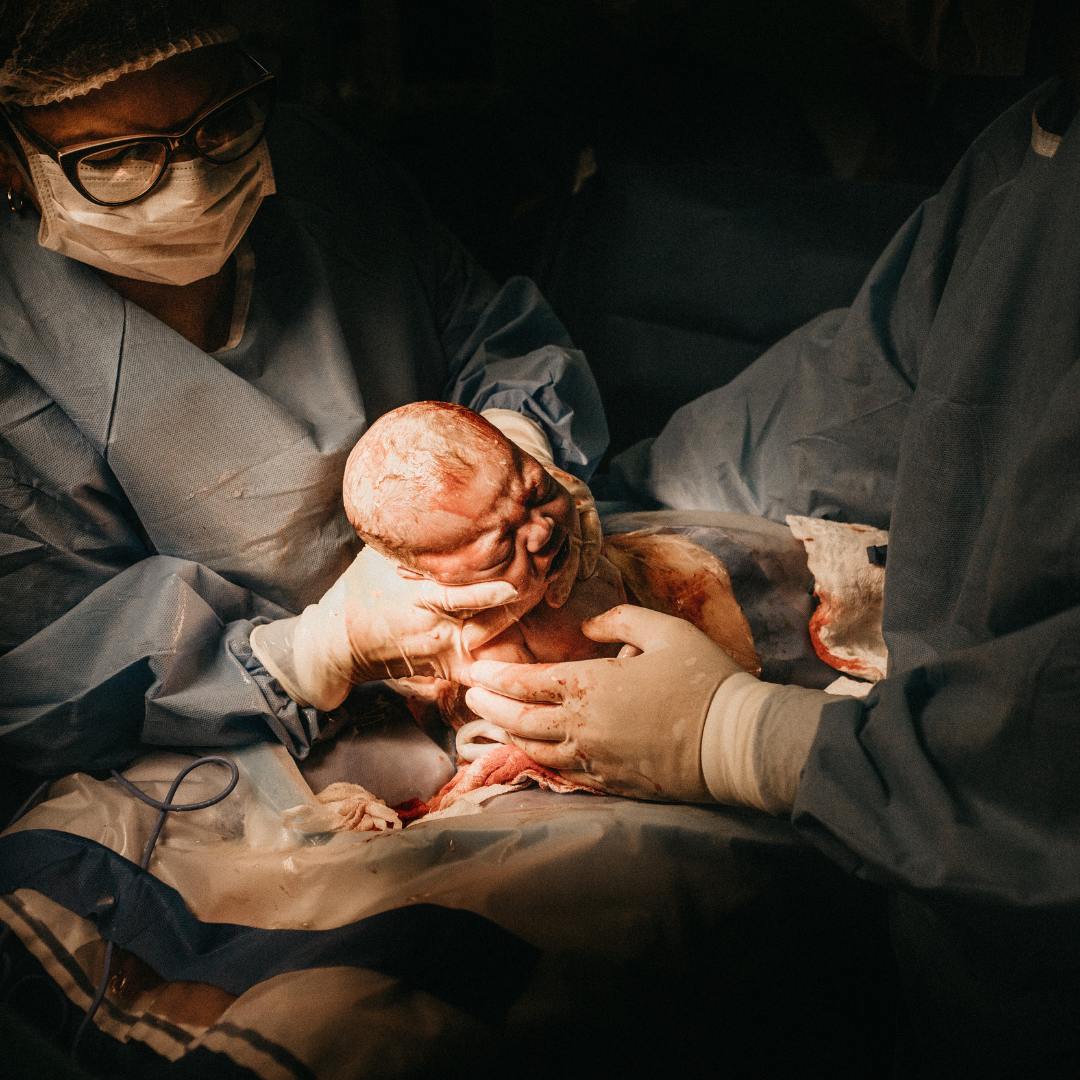
What is episiotomy?
Episiotomy is neither more nor less than a 1-3cm incision made with a scalpel or scissors in the perineum area and that directly affects the pelvic floor. But… let’s go in parts so you can understand everything perfectly.
On the one hand the pelvic floor It comprises a series of muscles and ligaments attached to the base of the pelvis that close the lower part of the abdominal cavity. On the other hand, when we talk about perineum We refer to the tissue between the anus and the opening of the vagina.The goal of this minor surgery is to widen the opening. to facilitate the work of delivery.
In the past, episiotomy was a practice that was done with great regularity since it was believed that thanks to it, possible natural vaginal tears were prevented. After much research it has been suggested that this practice does not make much sense since… why make a cut in order to prevent a tear if episiotomies do not really heal better than tears? Efforts are being made to reduce this practice more and more carrying it out only in those cases strictly necessary.
When is episiotomy performed?
And now you may be wondering:“Will I need an episiotomy when it is time to deliver my baby?” Although the practice of episiotomyIt has been significantly reduced and it is no longer a routine procedure. There are still cases in which its application is useful..
We talk about episiotomy with useful application in the case of those jobs of stressful birth in which delivery must occur as quickly as possible because the baby is suffering some type of damage(for example, an abnormal heart rate is observed). When an instrumented vaginal delivery is needed(with forceps) to help remove the baby or because it is a premature child.
Episiotomy can also be performed when the baby is too big enough to come out through the vaginal opening (hence the importance of taking care nutrition in pregnancy and pay attention to the gestational diabetes) either when the baby is in a breech position which makes it difficult to get outside. The lack of dilation It may also be one of the reasons for performing an episiotomy. Here you can read more about the contractions.
Types of episiotomies
Before knowing the risks derived from episiotomies, we must know that will depend on the type of incision that has been practiced, finding in each one advantages and disadvantages over the opposite:
- Median or midline incision performed vertically from the bottom of the vaginal opening towards the rectum.
- Mediolateral incision performed at a 45º angle from the bottom of the vaginal opening to either side.
“How is an episiotomy performed?”– you may be wondering. Before birth, the area is numbed and the incision is made to enlarge the opening through which the baby will later be removed. After that it will be closed with stitches. And here are some doubts between both types:
- What type of incision is easier to repair? The incision median. However, it has the risk of spreading to the anal area.
- What type of incision do you offer?better protection against a major tear? The mediolateral. However, it is more painful than the previous one.
What are the risks of episiotomy?
The episiotomy carries a significant risk that the tear will be much more serious than it would be if it occurred naturally. During childbirth, it is relatively normal for some tears to occur, which, if they occur naturally, will occur in the weakest area of the tissue, the skin.
When making the cut artificially, it will most likely also affect your muscles, so the tear will not only be at the skin level, but also at the muscle level, which will affect your recovery and could probably leave you with consequences.
Be that as it may, in both types of episiotomies one suffers pain since we cannot forget that… it is a tear! Here you can read more about the labor pain.
Among the risks derived from these cuts we found.
- Possibility of major bleeding along with an increase in the size of the cut (greater tear that may affect the rectum).
- Possible infection of the cut and stitches.
- Behind him postpartum can be produced sexual relations painful
- It can make basic daily activities such as sitting, bending and even caring for the baby difficult, causing discomfort in the breastfeeding.
What is recovery like from this tear?
If you have suffered an episiotomy during childbirth, the first thing we want to recommend is PATIENCE. Great doses of patience until you notice that the discomfort is gradually subsiding. The healing and recovery process is annoying and somewhat slow, yes, but nothing that time won’t heal!
Care after episiotomy
The wound will heal and the stitches will take between 2-3 weeks to fall off or be reabsorbed. Among the episiotomy care we want to highlight:
- Extreme hygiene to avoid infections. Clean the wound with warm water and neutral soap. Keep it dry (DO NOT rub it) and try to leave it outdoors as long as possible.
- Use cotton underwear that is not tight.
- Put into practice perineal massage to recover and care for your pelvic floor and allow it to recover its functions.
- Remember that the help of a specialized equipment can be of great help to you.
At SingularMom we recommend that you prepare and strengthen your body for avoid whenever possible both this type of practice and any instrumentalization of childbirth.
As our María, a physiotherapist specialized in pelvic floor and women’s health, says: “the best way to avoid an episiotomy is not to have scissors nearby.” Remember the importance of leaving your preferences written on your birth plan or even talk about it when you are going to give birth.
With our childbirth preparation course You can learn techniques to control your breathing and ways to push correctly that you can put into practice in one of the most important moments of your life. You will enjoy your pregnancy more, you will have a safe delivery and you will recover your pelvic floor quickly with just 20 minutes of physical exercise a day.