Nutrition in pregnancy. The German philosopher Ludwig Feuerbach, back in 1850, quoted the famous phrase: “We are what we eat.” A little later Hippocrates said:“Let food be your medicine, and medicine be your nourishment.””. And indeed, that’s how it is.
Both expressions apply generally to all types of population. Eat a good diet regardless of the state you are in means gaining health and quality of life . And if this is so, imagine the meaning that diet takes on during pregnancy! Hormonal changes and nutritional needs mean that food plays an important role at this stage.
Are you aware of the immensity of benefits you can obtain if you learn to eat healthy? Do you know that there are some “forbidden” foods for pregnant women? We tell you!
Nutrition during pregnancy
Even today there is a large number ofmyths regarding nutrition in pregnant women. For example:“Since I am pregnant I have to eat for two”, “it is normal to gain a lot of weight during pregnancy” either “Spicy foods cause labor”. False, false and false.
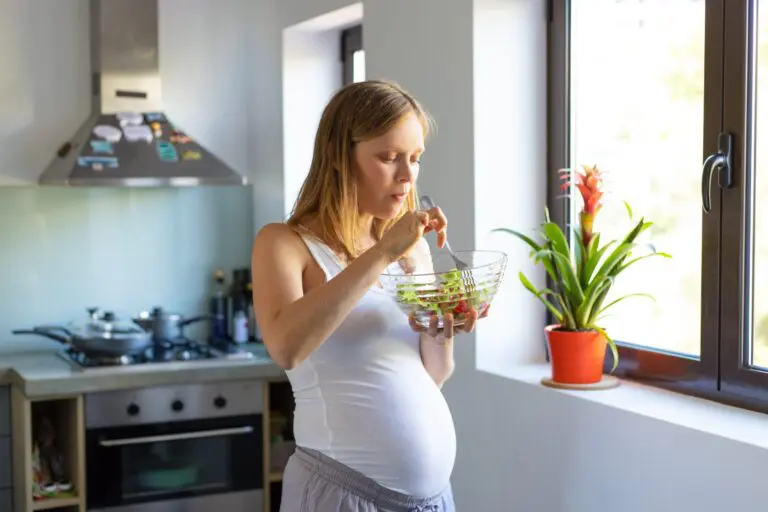
Nutrition during pregnancy is similar diet in the general population. Let me explain. That’s how it is as long as the woman has had a healthy and balanced diet before becoming pregnant . It is true that you need more nutrients, maybe twice as much in one way or another, but… that does not mean that you have to eat twice as much.Eating well does not mean eating more, but eating better.Or what is the same, know what you eat.
How many kilos do I have to take?
Did you know that your nutritional status before pregnancy will have a greater impact on the baby than your weight gain? That is why it is recommended that take your weight into account before getting pregnant.
As for weight gain, everything will depend on your body mass index (BMI). According to the information provided by the WHO, the weight to gain would be the following:
- BMI < 18.5kg (underweight):The diet should preferably be increased with whole grains, milk or dairy derivatives and fruit. An increase between 13-18 kg should be obtained.
- BMI 18.5-24.9kg (normal weight):The weight gain would be between 11-126kg.
- BMI 25-29.9kg (overweight):The recommended weight increase would be between 7-11kg.
- BMI>30 (obesity):In these cases it would be necessary to carry out special monitoring of the pregnancy. The recommended weight increase would be between 5-9kg. However, the ideal is to start pregnancy with a correct and healthy weight.
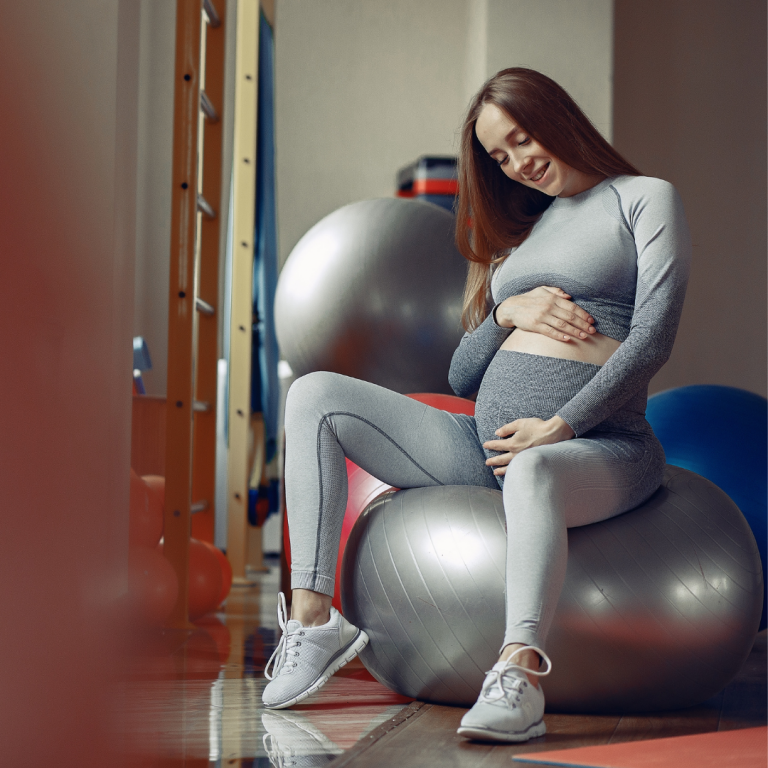
Furthermore, it must be taken into account that a significant increase in weight can weaken yourpelvic floor, therefore it is essential take care of your weight, diet and physical condition during pregnancy.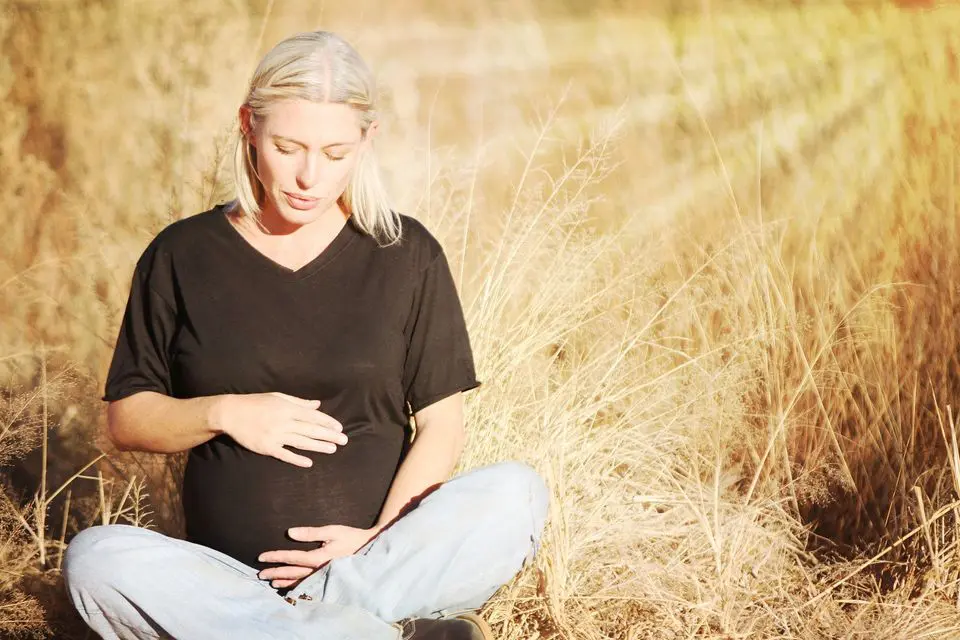
I am pregnant, what should I eat?
Our body is a perfect machine. And if it isn’t, almost almost. However, this perfect machine of ours needs good gasoline. What are we referring to? To the feeding . It may seem like everything is under control: you have had healthy eating habits for a long time. However…There are nutrients that are essential if we are pregnant .
It is the case offolic acid or vitamin B9which helps prevent fetal neural tube defects during pregnancy development of the fetus in the first trimester of pregnancy(spina bifida). During pregnancy the nutritional requirement for this vitamin increases from 400 mcg/day to 600 mcg/day.How do we increase it? Through supplements and foods like green leafy vegetables, citrus fruits and nuts, legumes, whole grains…. Foods such as organ meats, despite containing folic acid, are not recommended due to their high content of toxins and purine bases. The ideal is implement its consumption months before becoming pregnant. However, if you haven’t done it, nothing happens. Don’t get overwhelmed.
Nutrition in the first trimester of pregnancy
Throughout the first trimester you will not only have toincrease folic acid consumption. It is important increase consumption of calcium(milk, dairy products…) in order to protect bones and consumption of iron and zinc(for example with meat) due to the growth of muscle mass and blood volume.
He consumption of vitamins A and Cit is alsoessential(whole fruits, vegetables, dairy products and fish). Just as they are Omega 3 fatty acids(present in nuts or oily fish) for the correct development and functioning of the brain and nervous system.
On the one hand, during pregnancy you will need a extra energy supply . Where are you going to get it from? Mainly fromfats(30%) andcarbohydrates(40%), which also, being easy to digest, reduce nausea and vomiting suffered in the first trimester of pregnancy. On the other hand, you will also need something extra to help you form your baby’s tissues and organs. And this will be given to youproteins(30%).
Nutrition in the second and third trimester
Coinciding with the development of the fetus in the second trimester of pregnancy and with the development of the fetus in the third trimester, the growth of the fetus is appreciated while observing aincreased nutritional needs. As there is increasing pressure from the uterus on the stomach, heartburn and reflux occur. That is why they mustavoid irritating foodsand it is advised eat more fish than meat. In this period, proteins (35-40%) take center stage from carbohydrates (30%).
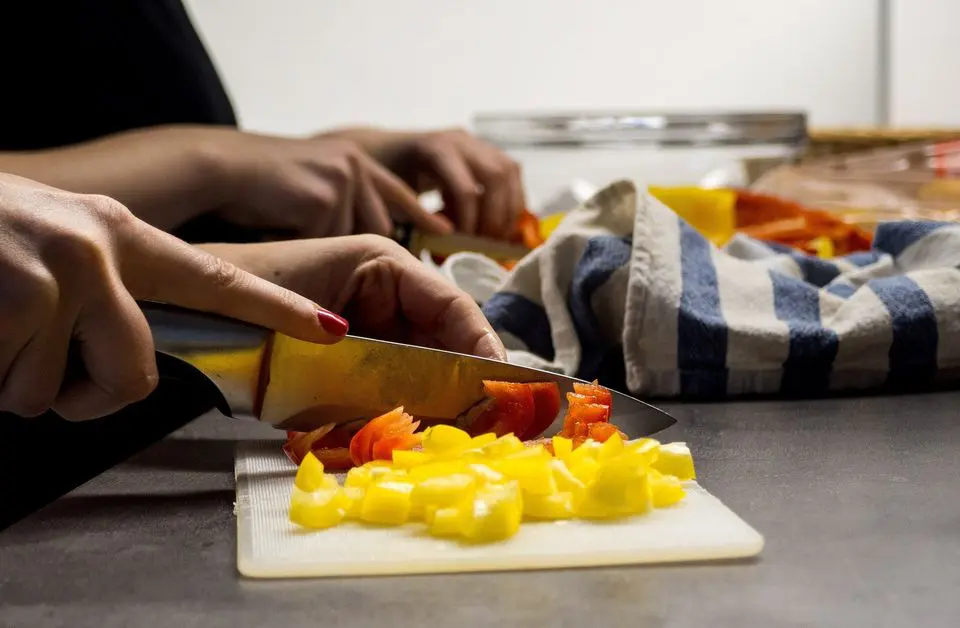
Are there foods prohibited during pregnancy?
There are no foods prohibited for pregnant women. What yesthere isaredangerous diseases for the baby such as toxoplasmosis, salmonella or listeriosis that are transmitted through food. Is it strictly prohibited to eat any of the following foods during pregnancy? It’s not that but… you must havecaution.
- Caffeine: Can I still drink coffee? Better if it is decaffeinated. Also limit energy drinks.
- Soft cheeses and unpasteurized dairy: They group together soft cheeses such as goat cheese, brie, blue cheese… (You can easily consume cheeses such as parmesan and mozzarella).
- Raw eggs: And of course mayonnaise, ice cream and…desserts that contain them, such as mousse-type ones.
- Processed or undercooked meats and sausages.
- Pâtés or foie .
- Raw or smoked fish: Sushi, fish carpaccio, ceviche, raw seafood… Large fish that contain high levels of mercury such as bluefin tuna or mackerel should be avoided.
At SingularMom we recommend…
- Do not abuse salt and sauces. you have to have caution with the consumption of iodized salt also in foods (for example, seaweed is not recommended in excess due to its high iodine content). Some tricks to avoid them areseason with herbs. Parsley has a lot of vitamin C, so… don’t miss it in your dishes!
- Nor should it abuse sugar…or sweeteners . Is honey a good option then to sweeten? Well… not entirely. Honey, even if it is raw honey (unrefined), is 80-90% sugar free. According to the classification of the World Health Organization(WHO) we should consider it the same as sugar or brown sugar. If we want something sweet during pregnancy, the most recommended thing isalways consume dehydrated fruit(raisins, dates, dried apricots, cranberries)or fresh fruit. Only use the minimum amount of honey.
- Do not consume excess white bread, pasta, pastries,…since they have few nutrients and if eaten in excess they can increase your insulin levels and lead to gestational diabetes.
- Remember to wash fruits, vegetables and vegetables well!before consuming them!
- Remember to drink 2-3 liters of liquid. You can drink water or look for alternatives such as infusions, broths, soups,…
- Cook food well and do not consume nothing raw or smoked.
- It goes without saying that you have to avoid fried foods and fats. And of course… alcohol!
In short,Good nutrition during pregnancy promotes the mother’s recovery after childbirth(in some way influences the control of thepain in childbirth) and helps the baby to be born healthy. Generally it is not necessary to follow special and/or restrictive diets.Information is power. That is why we simply have to be aware of what we eat.
In Singularmom We care about the health and well-being of pregnant women. That is why we recommend paying attention to basic pillars such as diet, physical exercise and mood so that everything flows in the best way.