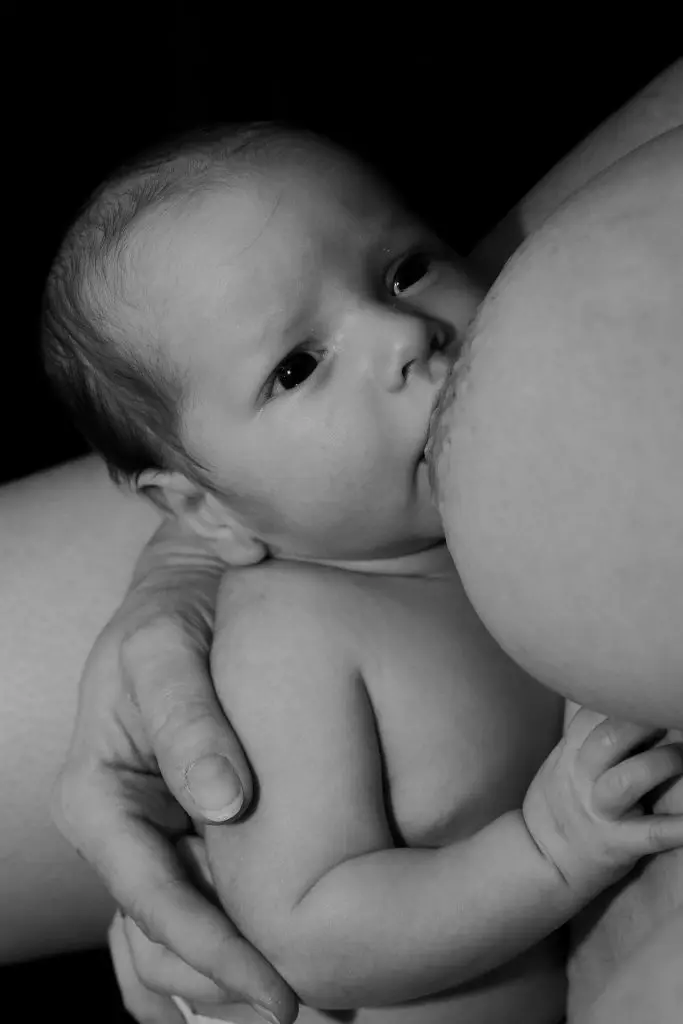
Questions about breastfeeding?“Protecting breastfeeding: a shared responsibility.” That is the motto that has been selected for World Breastfeeding Week 2021.
In order to respond to the main doubts about breastfeeding, from SingularMom we invite you to continue reading. Only in this way can we help you achieve this year’s objectives:that you are informed, that breastfeeding is a public health responsibility and that you help it have a greater impact.
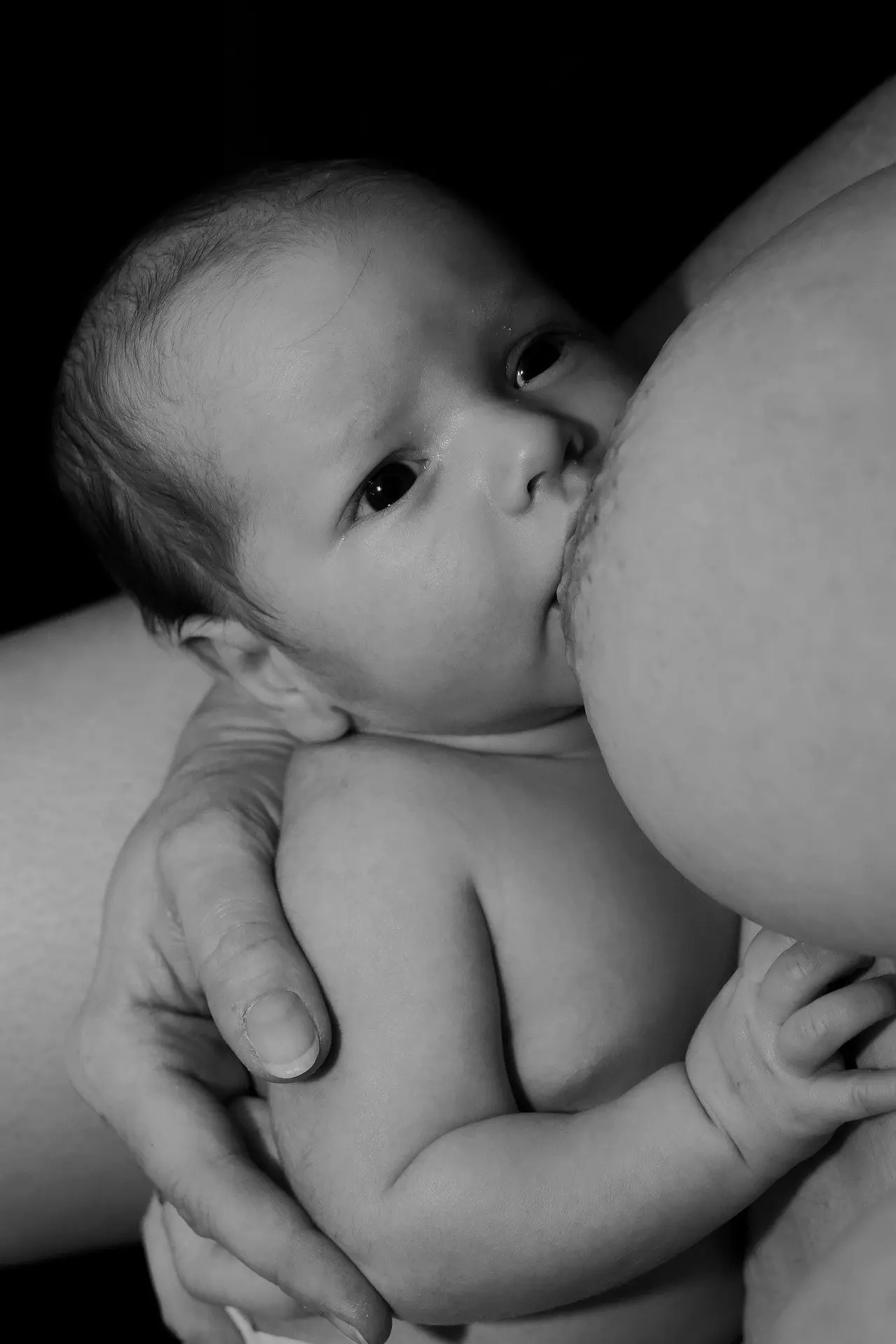
Questions about breastfeeding in new mothers
To difficult questions, “simple” answers. We solve the most frequent doubts of our “singularmoms” with… few words! For more information on breastfeeding you can take a look at e-lactation.org.
What do I need to breastfeed?
Information, desire and patience. Nothing else. At first it won’t be easy but we are sure that breastfeeding It will give you unique and wonderful intimate moments with your most precious treasure.
If you are calm, eat and sleep well, wonderful! Above all so that you can enjoy the moment more. If you have any difficulties with eating or sleeping (for example), don’t worry. Breast milk will be exactly the same. You and only you are prepared to give the best to your baby. Here you can read more about sleep during pregnancy.
What are milk surges?
The rises or… falls of milk! Depending on the country it is known in one way or another. It is a tingling sensation in the chest accompanied by tension and even inflammation. The first milk rise occurs 48-72 hours after the postpartum. Milk flows to the nipples thanks to the previously mentioned hormones, either when the baby sucks or even when you hear him cry or think about him. You know, the superpower of a supermom.
What is colostrum?
Is the first milk. A different type of milk that is secreted during the first days after birth. And as some professionals define it very well, it is “the pure gold of breastfeeding”.
There where you see that one creamy, dense, yellowish milk It contains immunoglobulins, proteins, fats, carbohydrates, water and other components that provide everything your newborn needs. More than pure gold, come on.
How is breast milk produced?
Did you know that part of the “blame” lies with the brain? Well yes. Thanks to your brain and your baby, your body is capable of generating breast milk. And when your baby sucks, it stimulates the receptors of two hormones:prolactin and the oxytocin.
While prolactin is responsible for producing milk, oxytocin facilitates its release. These two are complemented by the FIL protein or what is the same, the Lactation Inhibitory Factor, which is responsible for stabilizing milk production, making it produced according to your baby’s demand.The greater the suction, the greater the demand and therefore the greater the amount of milk. will be generated. And vice versa.
Does breastfeeding hurt?
Breastfeeding should not be synonymous with pain.Nothing could be further from reality. If it hurts, it is probably due to the baby’s poor position or some difficulty. If it hurts, ask for help immediately to solve the problem.
Breastfeeding: most common general questions
Another type of doubt about breastfeeding that we encounter relatively frequently is related to the following questions.
Does a cesarean section affect breastfeeding?
No,Caesarean section does not affect breastfeeding since the rise of milk occurs just when the placenta separates from the uterus (regardless of the type of delivery). Here you can read more about the water birth.
What does influence is the delayed skin-to-skin contact with the baby that causes the milk to come in late. That and the discomfort derived from cesarean section, clear. Let us not forget that it is a surgical operation with its pros and cons.
Why are there women who don’t have milk?
It only happens on rare occasions, very very specific cases. This is the case of women who suffer from hypogalactia. What do we mean by this term? To the women whose milk production it’s more scarce or occurs with greater difficulties.
This circumstance can be suffered in cases of mothers with uncontrolled hypothyroidism, polycystic ovaries, mammary hypoplasia (incomplete development of the mammary glands during puberty) or Sheehan syndrome (due to the loss of a large amount of blood during childbirth or high blood pressure).Note: Breast hypoplasia is not synonymous with small breasts.
What other factors influence “little milk”?
Other factors that influence the “little amount of milk” are related to a poor breastfeeding position along with time impositions or erroneous recommendations. The misinformation and ignorance affect the creation of false expectations related to the “wonderful world of breastfeeding.” Be careful with that.
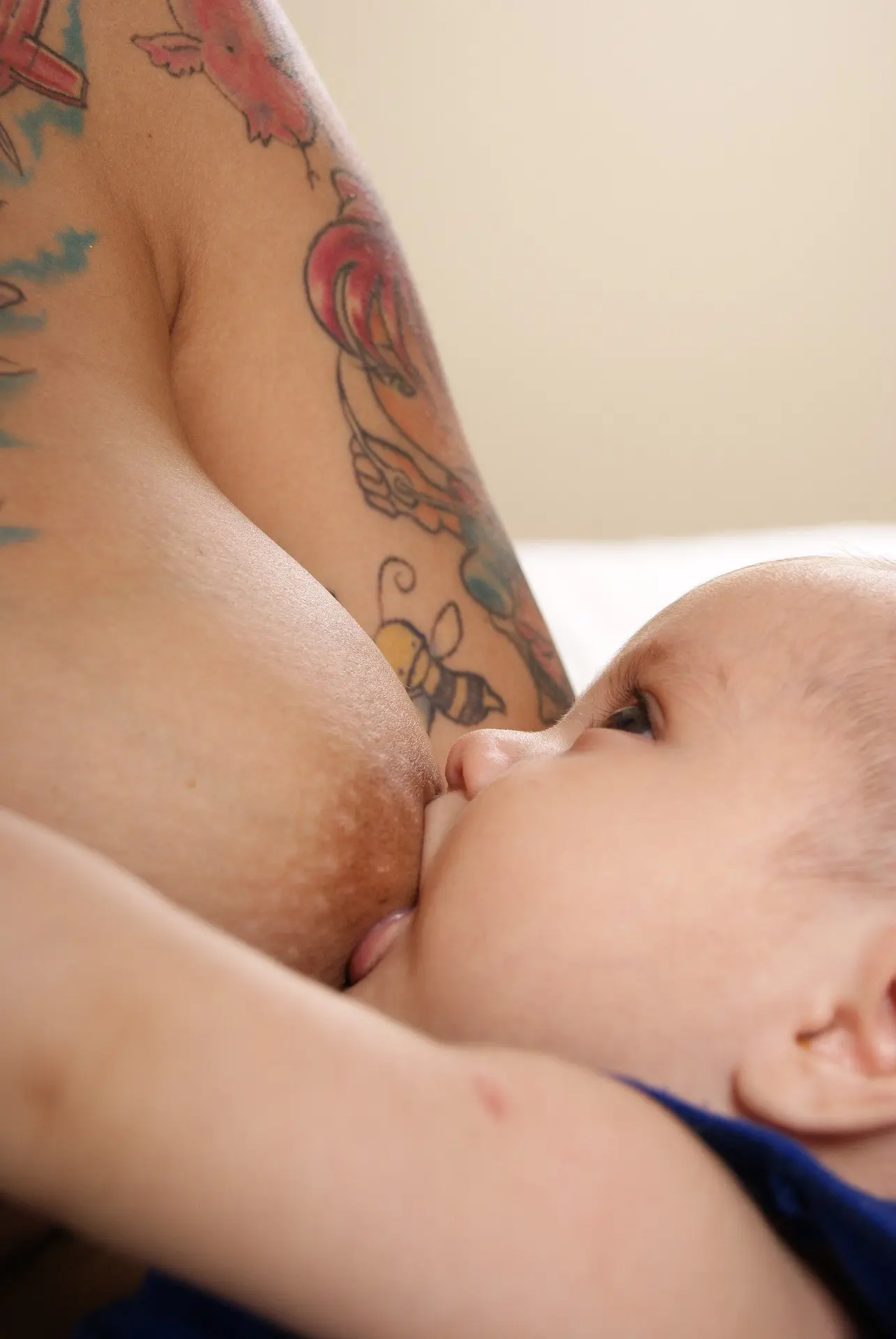
Doubts about breastfeeding on a daily basis
Some of the breastfeeding doubts that we have encountered at SingularMom are related to day-to-day habits or moments. We leave you the top of the most repeated questions.
Can you do physical exercise while breastfeeding?
Of course! Not only can you, but IT MUST. Like this, in capital letters and in bold. Except in cases of medical contraindication, of course.
You must know that sport does not cause any negative effects on milk. However, it is important to practice exercise according to your training and habits. We invite you to take a look at our articles in which we talk about physical exercise in the first trimester,physical exercise in the second trimester and physical exercise in the third trimester of pregnancy.
Are x-rays compatible with breastfeeding?
Of course. They do not affect breastfeeding at all because the amount of radioactivity is practically minimal. Here you can read more about the pregnancy ultrasounds.
Can I eat everything if I am breastfeeding?
In general, yes. Remember how important it is to have a healthy and balanced diet. The fruits and vegetables They are and always will be yours greatest allies.
However, keep in mind that there are certain foods such as garlic can affect the smell and taste of milk. This can condition your baby but at the same time it is positive when it comes to introducing foods into their future diet.
Also remember that it is important to limit the consumption of coffee or caffeinated drinks so as not to make the baby nervous. Here you can read more about nutrition in pregnancy.
Can you smoke or drink some alcohol while breastfeeding?
From SingularMom always We recommend not smoking or drinking alcohol regardless of whether you are pregnant, postpartum or breastfeeding. Is it possible or not? It is a decision that you must make.
On the one hand, regarding tobacco, different studies report that although nicotine can pass into breast milk, it does not occur at toxic or alarming levels. However, it is best to avoid excessive consumption of nicotine.
On the other hand, as for alcohol, it does pass immediately into milk, so take it as something prohibited.
When should I stop breastfeeding?
When you want. There is no rule about it. There are those who decide to continue breastfeeding until they are 2 years old/2 and a half years old. But you know… it depends on each woman and her personal circumstances and needs. Any time that you decide prioritizing your health and that of your baby will be a good time. Here you can read more about emotional health during pregnancy.
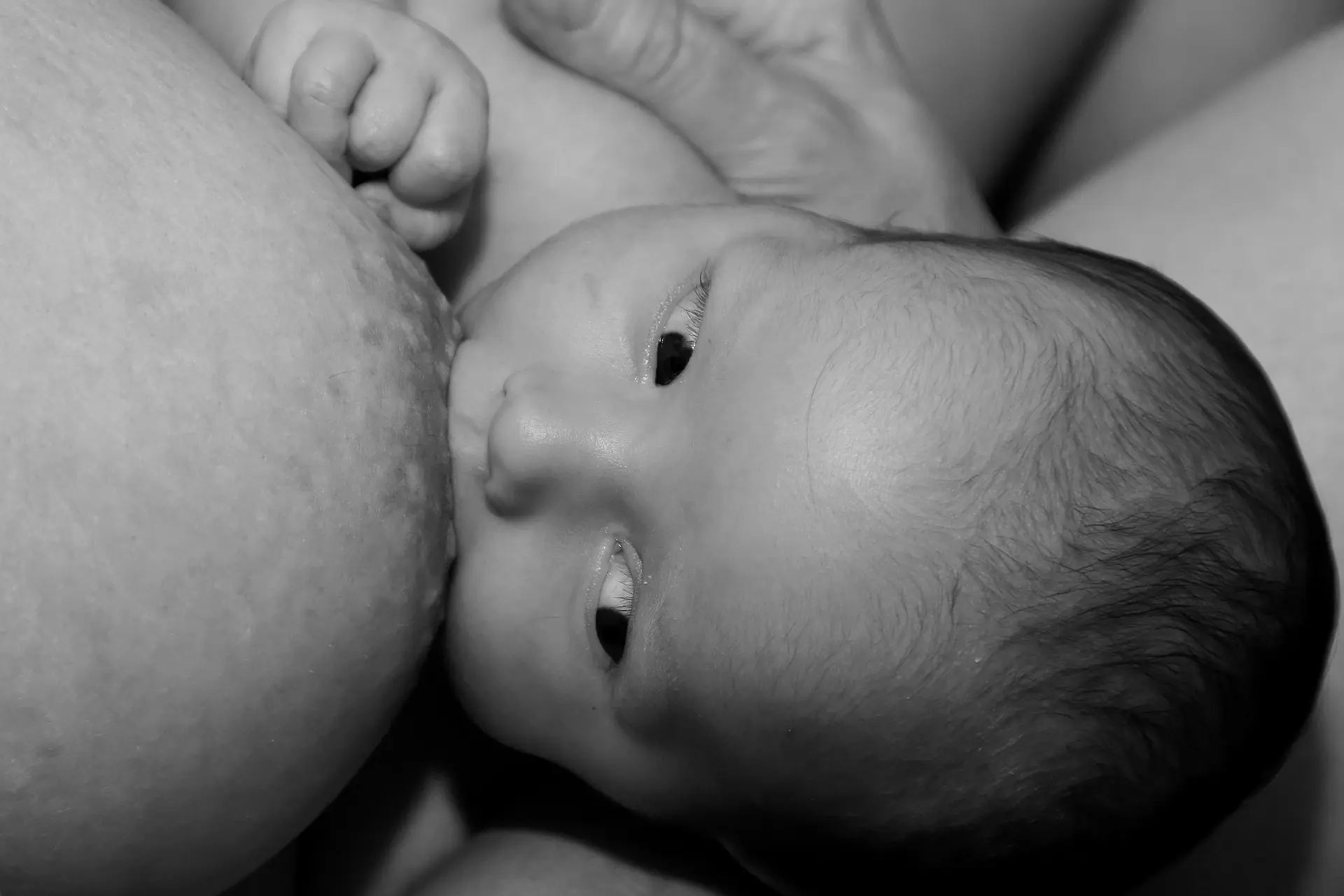
According to data from the World Health Organization (WHO), it is recommended that breastfeeding be exclusive during the first 6 months after giving birth. After that, it would be positive to progressively introduce foods to the baby’s nutrition while complementing it with breastfeeding.
At SingularMom we want to give first and foremost special relevance to the PROTECTION, PROMOTION and SUPPORT of breastfeeding.. That problems related to breastfeeding do not mean abandoning it. We help you!