Claudia was diagnosed gestational diabetes in the 27th week of pregnancy. She remembers how she began to cry inconsolably after hearing these two words from her midwife once she verified the results of the tests.
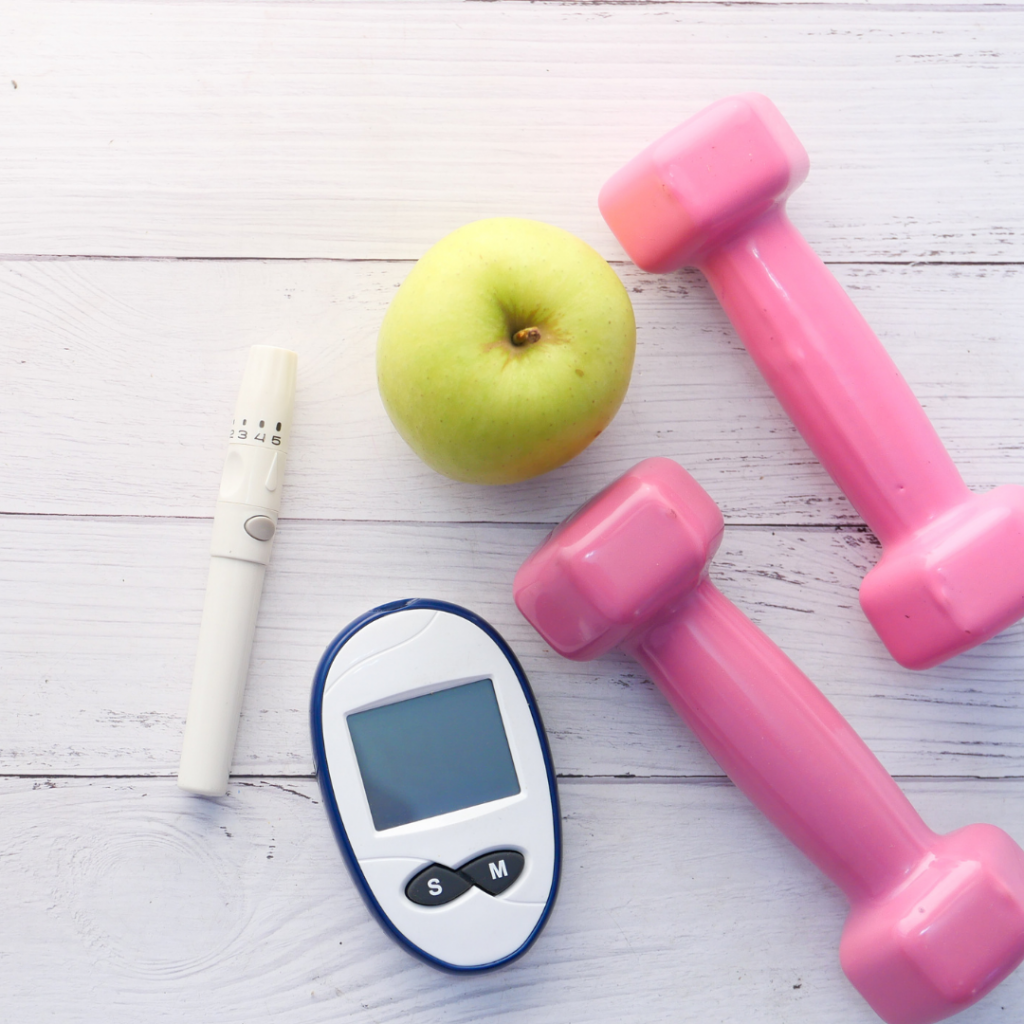
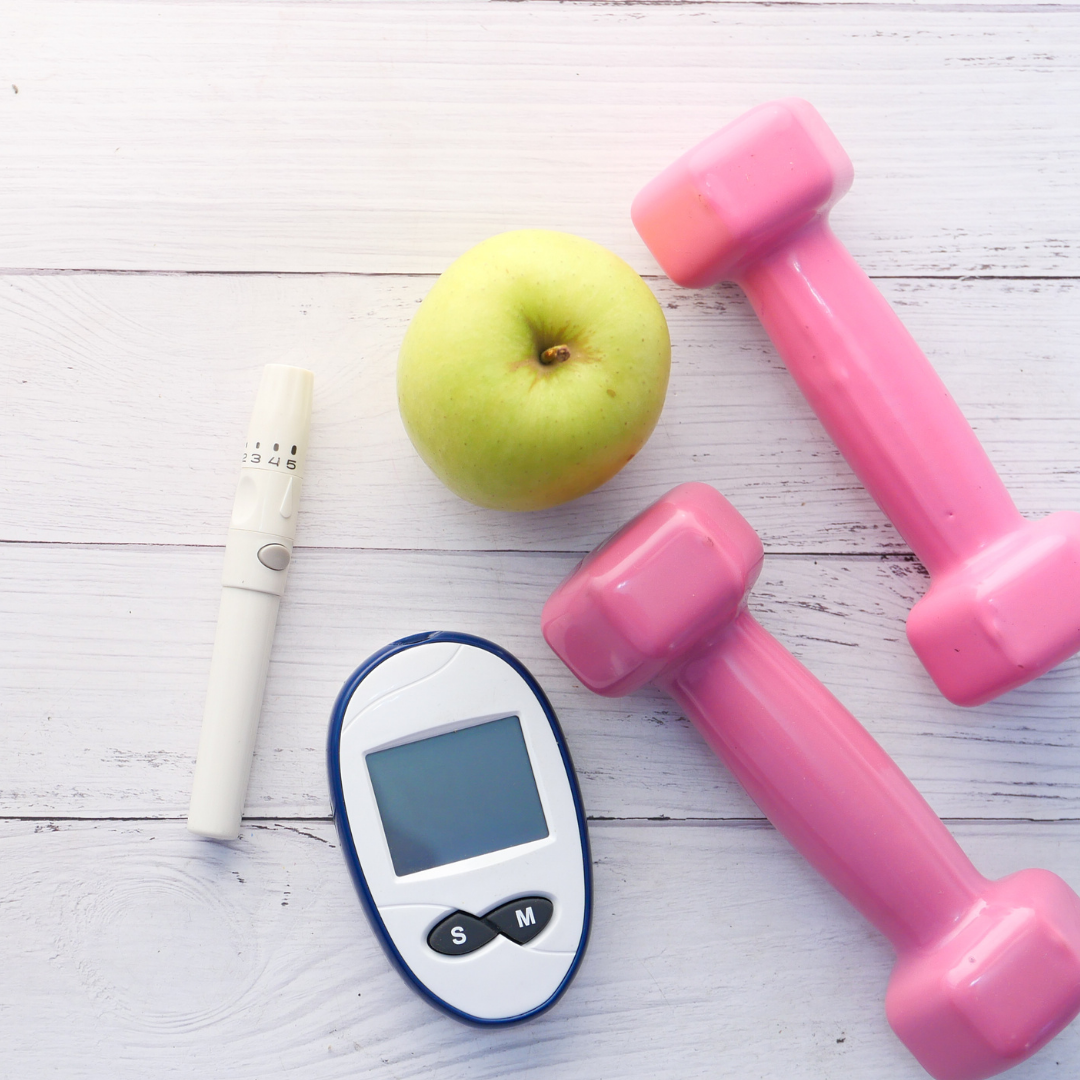
Diet, physical exercise and the “sugar measuring device” became her best friends until it was time to give birth. Doubts and uncertainty became secondary protagonists of their sweet wait. That is why throughout the following lines we will try to resolve the most frequently asked questions related to this problem that affects around 5-15% of pregnant women. Keep reading!
What is gestational diabetes?
As its name indicates, when we talk about gestational diabetes we are referring to a type of diabetes that appears for the first time during pregnancy. Its appearance usually occurs around mid pregnancy, that is, during the development of the fetus in the second trimester.
Like Claudia, you may be wondering:“What does this term imply or mean? Why does it occur?” Simple, it means that blood glucose (sugar) is not well controlled which can affect not only your pregnancy but the health of your baby.
Pregnancy involves a hormonal revolution that gives rise to an increase in blood glucose as a kind of “defense mechanism” to protect the baby from a drop in sugar. Glucose generates energy that requires the action of insulin to be used. To counteract this increase in sugar, the pancreas generates a greater amount of insulin. But… it is not enough and diabetes occurs. That is, gestational diabetes occurs because the body cannot produce the extra insulin hormone necessary in pregnancy. The result? Glucose builds up in the blood.
Risk factors for gestational diabetes
“Why haven’t I realized it before?”– Claudia wondered. Because… gestational diabetes does not produce clearly noticeable symptoms! Some common symptoms of diabetes are increased thirst, extreme tiredness, or increased frequency of urination. But… they are also common sensations of pregnancy.
There is still no known exclusive cause that determines this complication in pregnancy. However there is a you are at greater risk of suffering from this type of diabetes if:
- You are over 35 years old and/or have a family history of diabetes.
- You are overweight or obese and/or have gained excessive weight during pregnancy.
- You suffer from polycystic ovary syndrome.
- In previous pregnancies you have had gestational diabetes and/or have previously suffered a miscarriage.
- You don’t lead a very active life.
What tests indicate the presence of gestational diabetes?
Ideally, if you are planning to get pregnant, you should do a general previous evaluation with your family doctor. However, don’t worry, after verifying the pregnancy and throughout the three trimesters, different tests and checkups will be carried out to guarantee that everything is going as planned.
There are two tests that analyze blood glucose levels and indicate the presence or absence of gestational diabetes:
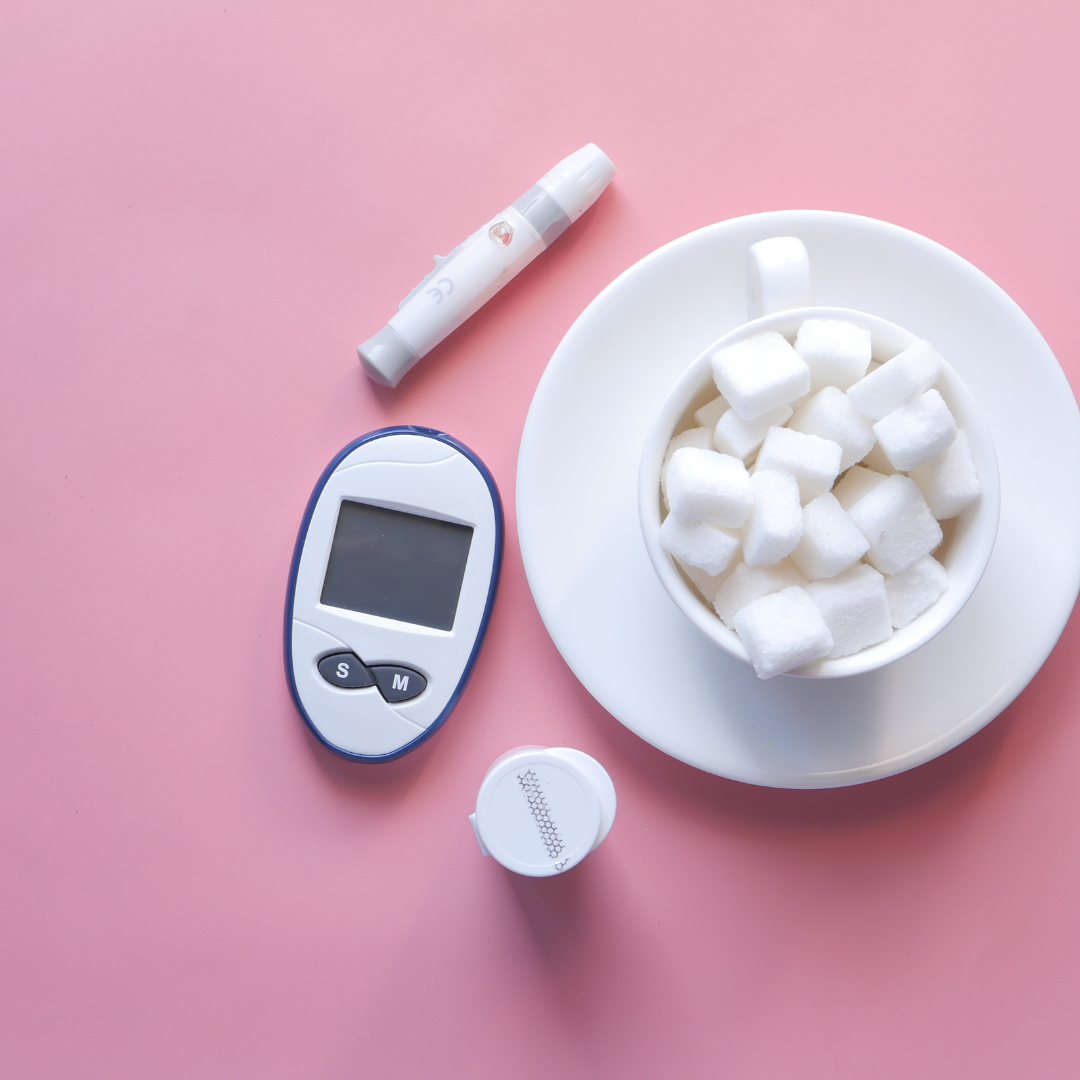
- O’Sullivan test: It is put into practice around weeks 24-28 of pregnancy, taking advantage of the second trimester pregnancy analysis. Unlike the previous test, it does not require fasting and is performed in two steps. 50g of glucose is administered orally through a very sweet syrup. A blood test is done one hour after ingesting it. If the result is greater than 140 mg/dL, it is recommended to take 100 grams of glucose to perform another analysis 3 hours later. A diagnosis of gestational diabetes is established if the result is greater than 140 mg/dL.
- Oral glucose tolerance test (glucose curve): A blood sample is analyzed after fasting for at least 8 hours. After this, 75g of glucose are administered in a single step. Blood tests are done again at one and two hours.
It is advisable to carry out a diabetes screening test between weeks 6-12 of the month.postpartum to rule out glucose overload and thus avoid possible complications.
Possible complications of gestational diabetes
Gestational diabetes can cause complications such as:
- Increased probability of childbirth Caesarean section;
- High blood pressure and preeclampsia.
- Although it usually returns to normal after childbirth, there is an increased possibility of suffering from type 2 diabetes mellitus throughout life.
When suffering from gestational diabetes, your baby has a increased risk of being overweight at birth. This weight gain can cause complications such as:
- Difficulties at the time of delivery;
- Greater risk of having a premature child;
- More likely to develop obesity and/or alterations in carbohydrate metabolism.
- Increased chance of suffering from type 2 diabetes throughout life.

Treatment and control of gestational diabetes
“Better safe than sorry”– they say. Hence, the most advisable thing is lead a life that is characterized by as many healthy habits as possible not only during pregnancy but before pregnancy.
However a correct nutrition in pregnancy, regular physical exercise and weight control are usually enough to keep gestational diabetes under control. In addition to insulin injections in certain cases.
Keep track
If, like Claudia, you have been diagnosed with gestational diabetes, you should measure your blood sugar levels yourself several times a day. Remember that the optimal glucose concentration must be maintained within normal ranges, that is, less than 95 mg/dL before meals and less than 120 mg/dL after meals. In cases where glucose is too high, it will be necessary to use insulin with doses that will be readjusted depending on your needs at each consultation.
Feeding
consume foods from all groups but especially those rich in fiber prioritizing a varied diet based on fruits, vegetables and whole grains. Follow one diet low in simple sugars and keep in mind the caloric intake what you require according to your needs. Try to eat foods with low fat content to avoid excessive weight gain and remember that during pregnancy… you don’t have to eat for two! It goes without saying that you should consult all this with your gynecologist and/or midwife.
Physical exercise
The practice of moderate physical exercise is vital before, during and after pregnancy, during the postpartum and breastfeeding. However, remember that you cannot/should not perform the same exercises with the same intensity and frequency at all times. Therefore you must be informed about the physical exercise in the first trimester,physical exercise in the second trimester and physical exercise in the third trimester.
The most advisable thing is that you pay attention to those factors that are in your hand and carry out personalized and individualized training like the one we do in our online childbirth preparation course.
Our goal is for you to live your pregnancy to the fullest while preventing any complications or sequelae.