When talking about pregnancy at a general level, reference is usually made to each of the trimesters in which pregnancy takes place, to ultrasounds, back pain, the volume of the belly, the physiological and morphological changes that the body is experiencing… Most of the care throughout pregnancy is oriented towards the moment of delivery, which is why many fears and questions often focus, as is normal, at this moment.But what about the postpartum? What happens after giving birth? Little or nothing is said about this stage. Throughout the following lines we focus on it.
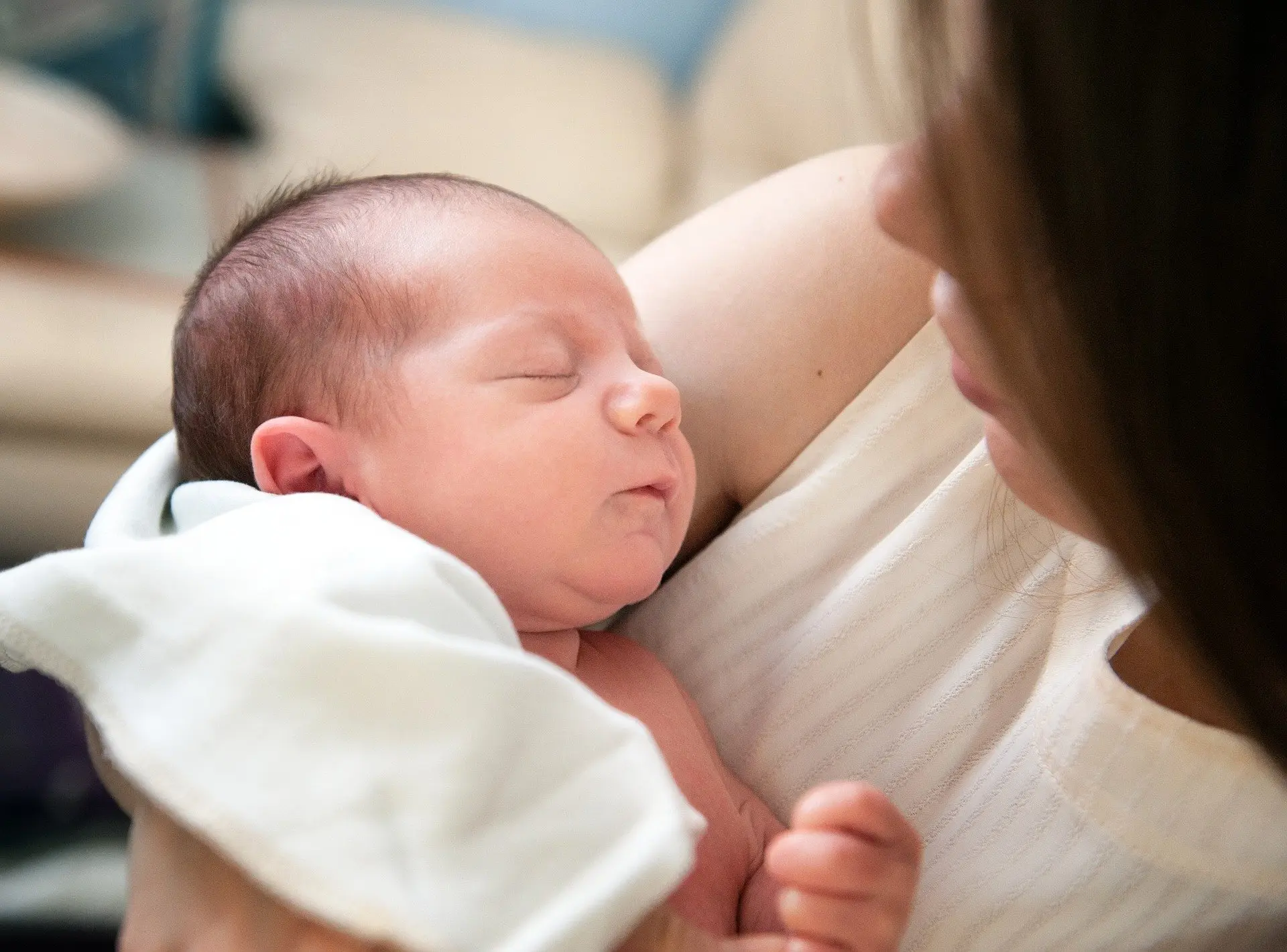
Immediate postpartum
You just gave birth. You may be wondering…“And now, what do I do?”
We callpostpartum or puerperiumatsix weeks after delivery. This is a complicated stage in whichmajor physical and emotional changesfor which a time of adaptation.
Of course, it must be taken into account that the changes will be different in each woman suffering from one or other symptoms to a greater or lesser extent and that will also influence how it occurred birth(being the recovery by Caesarean sectionsomewhat slower).
Physical discomfort
Psychological discomfort
Psychological discomfort is added to the physical discomfort. Have they ever told you about the ambivalence of emotions experienced in the postpartum? Most likely you will find yourself in some kind of rollercoaster of emotions. Happy but also exhausted, sad but excited, more irritable and with mood swings… Remember that you are experiencing a vital change in your life at the same time that you are subjected to a sudden drop in hormonal levels after childbirth, so it is vitally important to pay special attention to emotional healthin these moments.
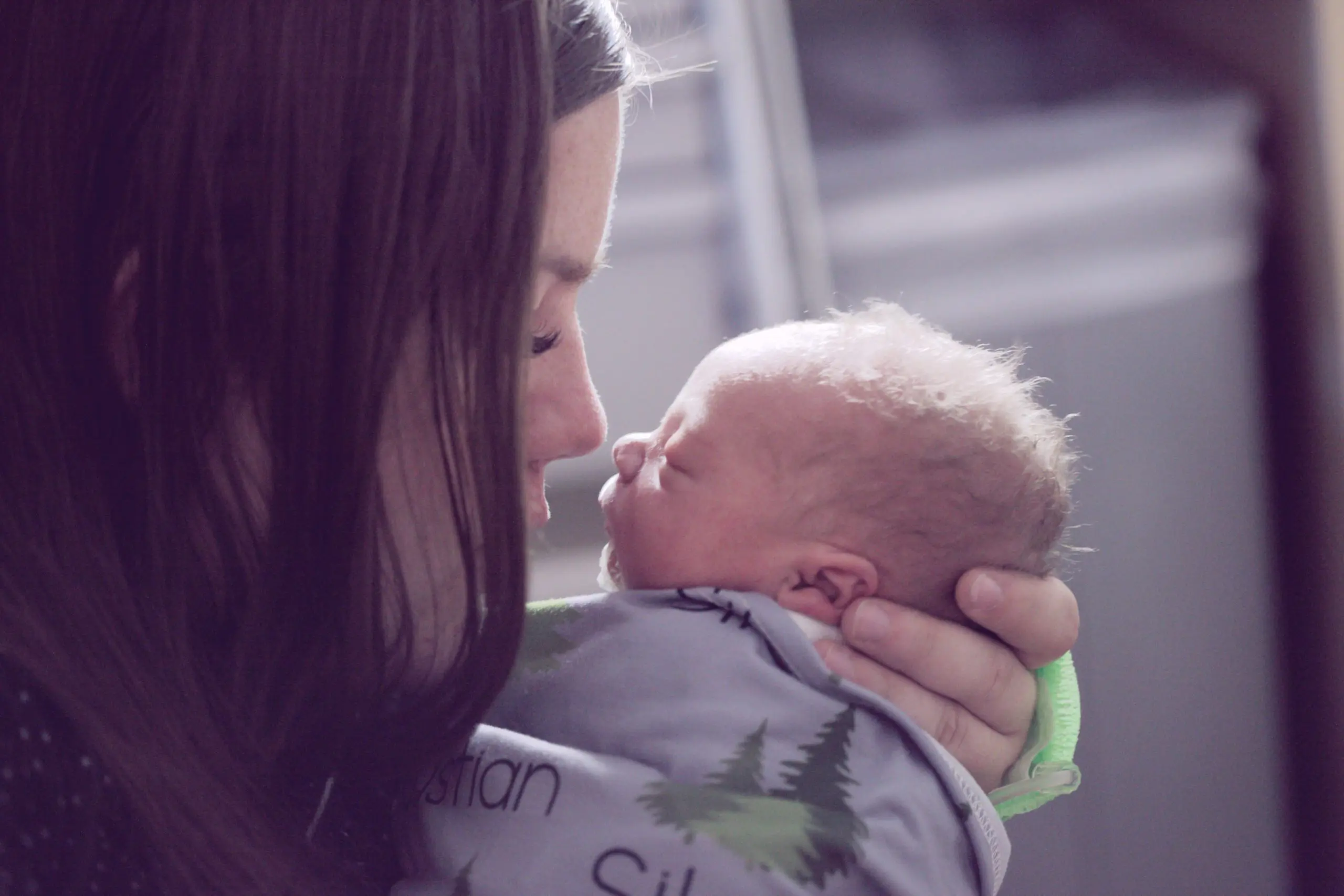
Recommendations for the immediate postpartum
The first thing you should keep in mind is thatIn order to take care of your baby in the best conditions, you must also take care of yourself.. What do I want to tell you? That obviously your baby is your priority, it is clear, but at the same time your baby needs you and needs you to be the best possible for his or her care.
At SingularMom we recommend that you take these into account tips for immediate postpartum recovery :
- After childbirthIt is normal for you to feel tired. Procuredon’t overexert yourself.
- Remember that sleep during pregnancy undergoes alterations. That is why it is important that now i try to take advantage of the moments of rest of your baby to sleep and recover.
- If you have more children plan your care leaning on your partner or close relatives if you consider it necessary.
- tryself-care. Don’t feel bad for deciding to take a short walk alone, a longer bath, or a little “disconnect” time reading a book.
- If you have decided to breastfeed your baby, remember that it is essential to take care of your diet.while increasing the hydration. Here you can answer some doubts about breastfeeding.
- As to sexualityyou mustavoid intercourse until the quarantine is over. However, remember that it is important to dedicate time as a couple, especially at this vital moment for both parties without leaving aside the sexual health.
- Let yourself be helped when you consider it. Nothing happens if you see that “you can’t do everything.” The people who love you will be eager to lend you a hand. On the contrary Don’t feel bad if you decide not to receive visitors at any time..
Later postpartum
During the immediate postpartum period, it is not recommended to perform any type of physical exercise.At least until you receive approval from your gynecologist and/or midwife. Then Performing physical exercise will be very positive for recovery, taking advantage of the fact that the organs begin to be in place..
However, once achieved, what is recommended isstart progressively increasing the intensity of the activity gradually. Exercises such as walking or swimming are usually more than recommended options, especially at first.
Return to exercise
Furthermore, having thehelp from a team of specialized professionals(hence the importance of childbirth preparation classes)It is always a great idea to help you perform exercises adapted to your physiognomy, your physical condition and your personal goals. Some of the types of exercises you can do postpartum are the following:
- Postural exerciseswith the aim of adopting a good position after childbirth. Let’s not forget that holding the baby means holding a load for a long time that can cause back problems.
- Abdominal and pelvic rehabilitation and toning exercisesin order to prevent prolapses and hernias.
- Buttock toning exercisesseeking to give stability to the pelvis.
- Relaxation exercisesto seek balance with respect to exercises that require greater effort.
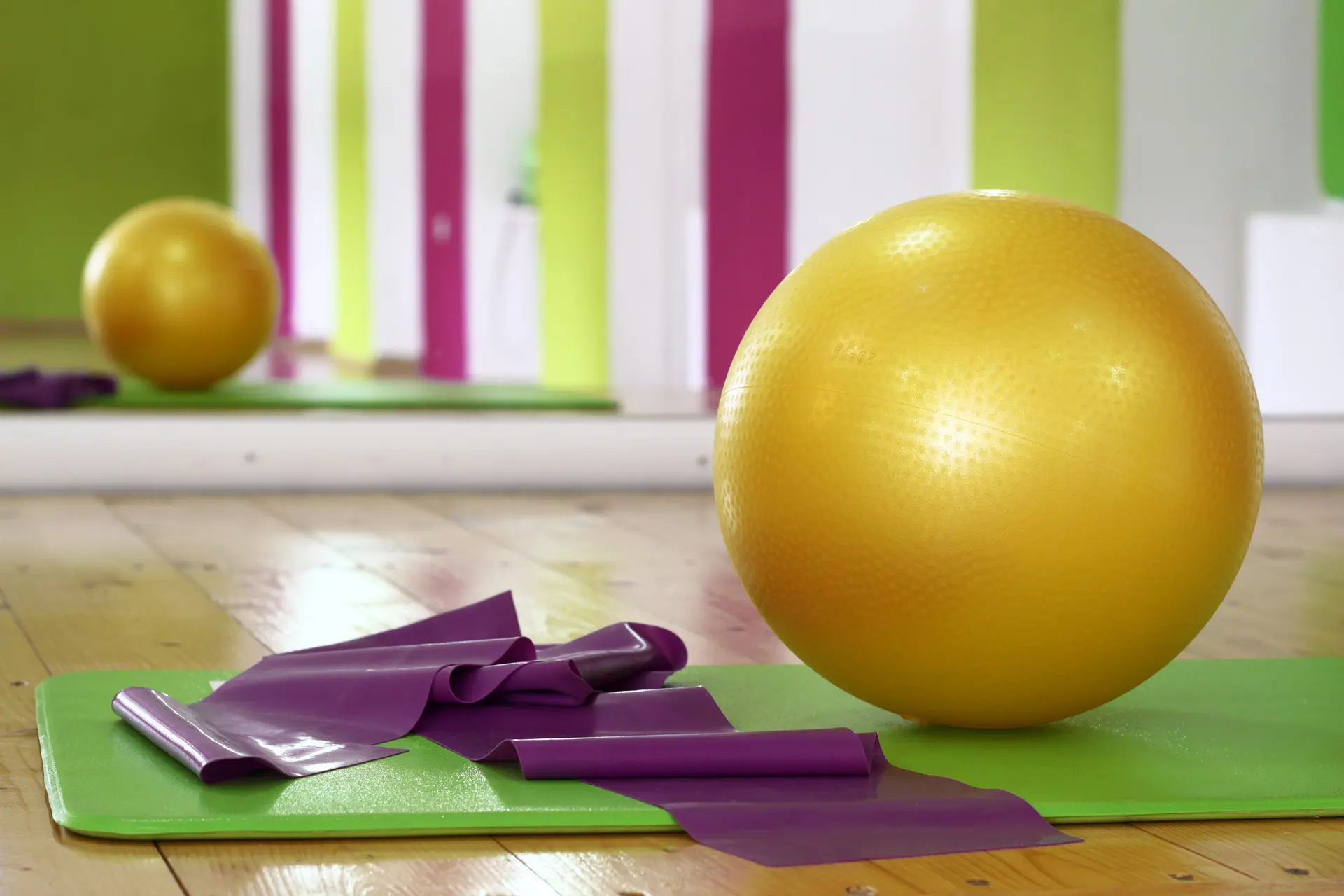
Pelvic floor recovery
It is important that we know how to avoid suffering from dysfunctions in the pelvic floor.If one thing is clear, it is that pregnancy, childbirth and the postpartum period are “risk” factors to take into account when damage occurs to our pelvic floor. This can cause vaginal dryness and atrophy.
Exercise charts and tools like the Winner Flow They are very effective not only during pregnancy but also in the postpartum period. They help correct urinary and/or fecal incontinence problems, one of the main complaints after childbirth. Why is this happening? BecauseIf the pelvic floor is not trained and worked, the muscles will weaken, causing a lack of intra-abdominal pressure..
In our SingularMom online physical preparation course we use different exercise tables adapted by levels which can also be used postpartum. We also have such effective tools as the Winner Flow, which seeks to activate the abdominal muscles and the pelvic floor during the exercises.