
What to eat or not to eat during pregnancy is still one of the main headaches for many future mothers. And… how can it not be? If you already know what we are, what we eat! This phrase becomes even more relevant when we have a baby on board. That you should avoid fats, eat a lot of fruit and vegetables, not eat raw fish, etc. We are sure that you have already heard and internalized all of this. But has anyone told you about the benefits of legumes during pregnancy? Come on, keep reading! We want to help you make your pregnancy as healthy as possible.
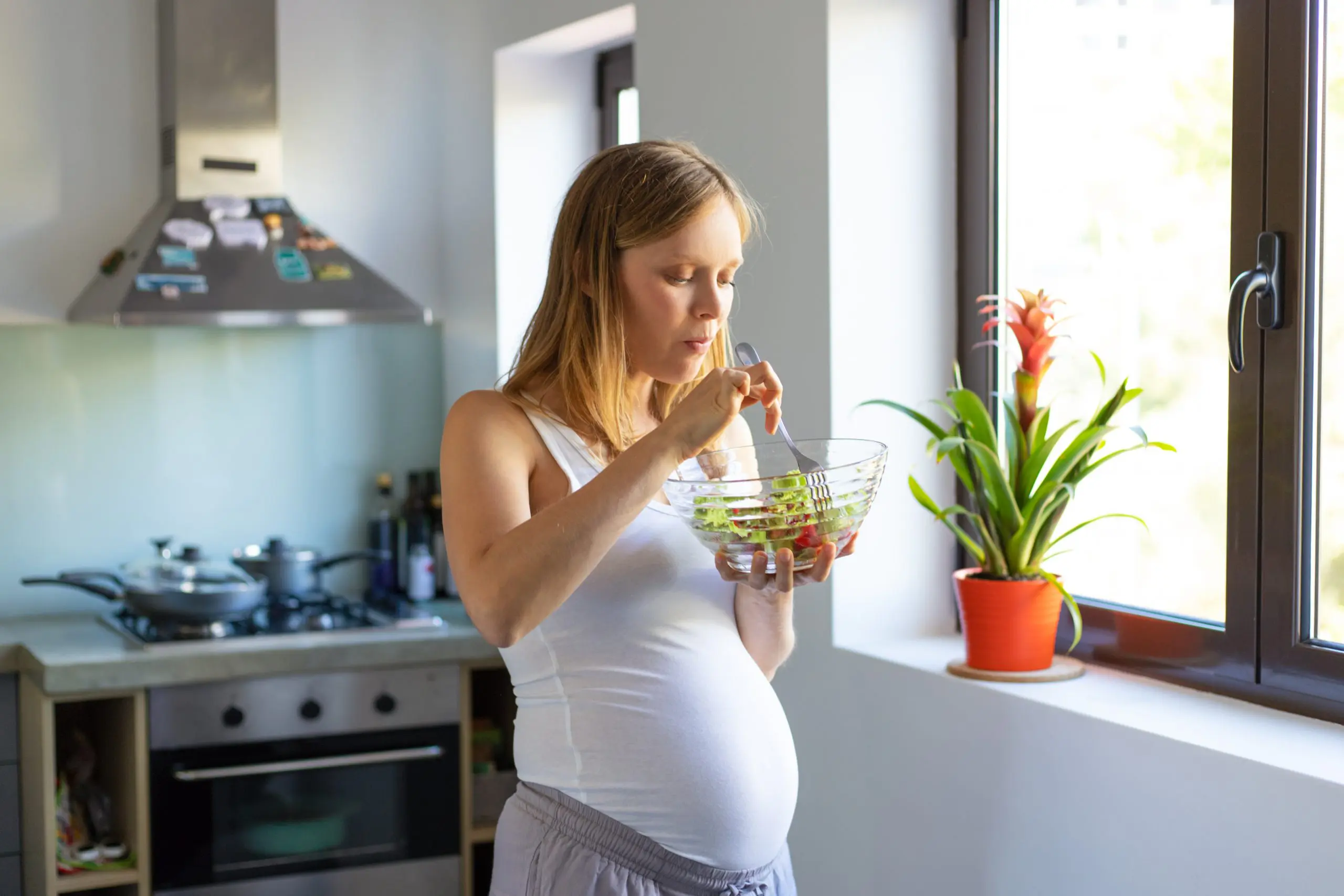
Take care of your diet during pregnancy
Our body is a perfect machine. And if it isn’t, almost almost. Let them tell you that you are still surprised when you think that right now not one heart beats inside you, but two. Or even three if you are one of those reading this who is living a multiple pregnancy!
However this perfect machine of ours needs gasoline. Eye! Good gasoline. As? Don’t you know what I mean? Well to nutrition in pregnancy!
Nutrition during pregnancy is similar to nutrition in the general population. Let me explain. This is the case as long as you have had a healthy and balanced diet before undergoing the procedure.the pregnancy test and the two lines appeared. It is true that you need more nutrients, maybe twice as much in one way or another, but… that does not mean that you have to eat twice as much.Eating well does not mean eating more, but eating better. Or what is the same,know what you eat.
And with knowing what you eat, I want to make special emphasis on informing you about the multitude of benefits that you can achieve by simply “putting” certain foods or meals in your mouth. This is the case of legumes during pregnancy that sometimes go unnoticed despite being a food group that plays a very important role in the diet of every future mother.
Legumes during pregnancy
Did you know that there are those who consider legumes a kind of “superfood”? They are foods with a large amount of nutrients, including iron, potassium, folic acid, magnesium and essential fatty acids.
As we have said in previous paragraphs, being pregnant does NOT mean eating twice as much. No, no and NO. But it is true that With pregnancy, nutritional needs increase, especially those related to proteins and some micronutrients.. Remember that your body is in full swing to form millions of new structures.
As obstetrician Sebastián Alessandría says: “The intrauterine life stage is the stage of greatest growth in the life of a human being, which is why there should be no lack of nutrients for its correct development.”.
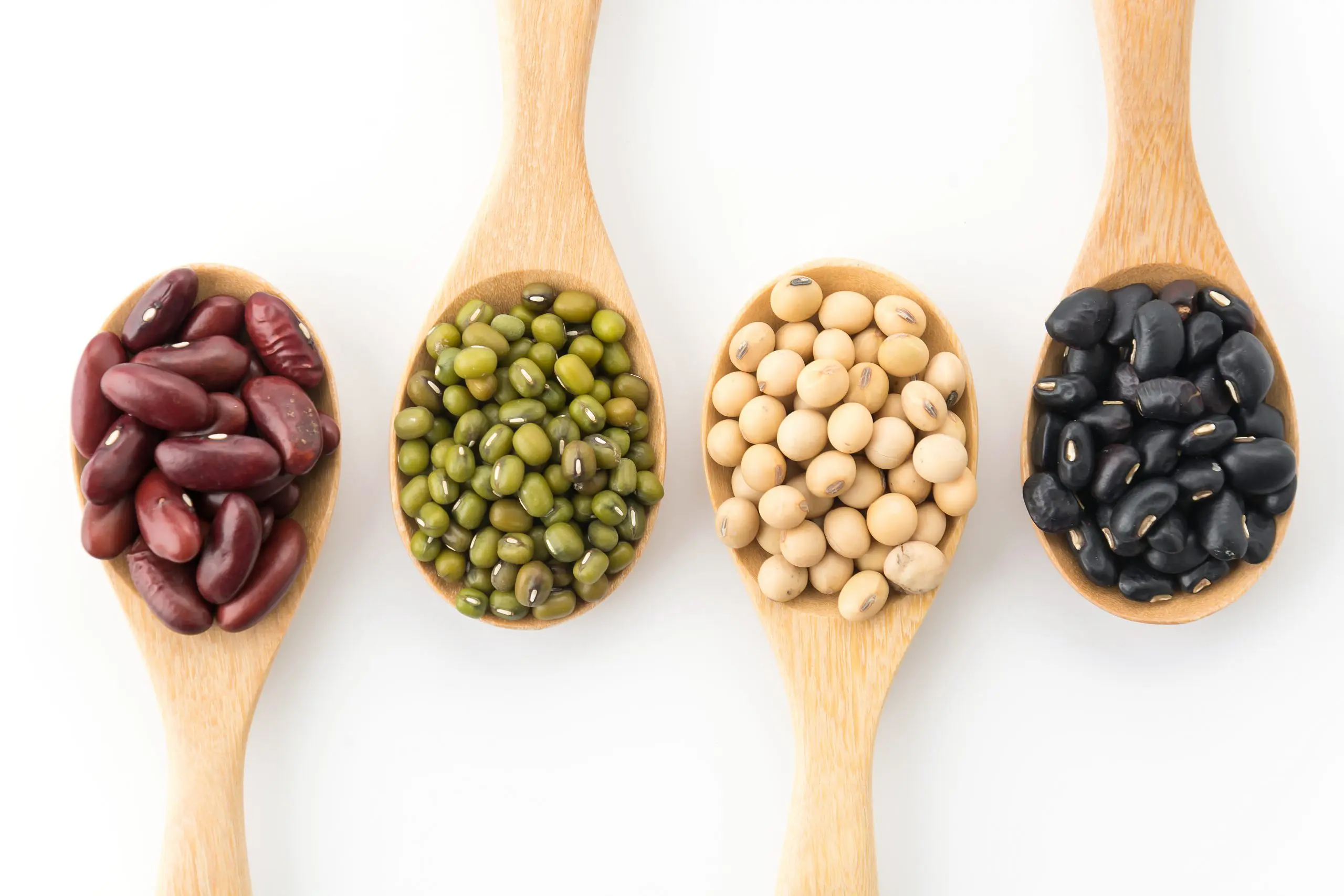
Why are legumes so beneficial during pregnancy?
“Lentils, whoever wants to eat them and whoever doesn’t…” Who doesn’t should also eat them. Yes, I have dared to change the famous popular saying. And not just lentils. Peas, dried peas, chickpeas, soybeans or beans have incredible nutritional value that you should not miss, especially if you are in the sweet wait.
Here are 4 benefits of legumes during pregnancy that you probably didn’t know about!
Legumes during pregnancy provide you with an important source of energy
Yes, I confess, before researching the subject I myself was one of those who related the word PROTEINS to meat. Mech! Mistake.Legumes are an incredible source of protein(just like meat) but with the advantage of providing less fat.
Yes, as you read it… and legumes have a very low percentage of fat! You already know that you must take your weight into account during pregnancy. Remember that excess weight gain can weaken your pelvic floor Therefore, the consumption of legumes during pregnancy is ideal.
Legumes during pregnancy help combat constipation
From development of the fetus in the second trimester and with the development of the fetus in the third trimester You may suffer firsthand from constipation problems.
This, apart from being frequent, is due to the increase in estrogen and progesterone levels and the enlargement of the uterus, which acts as an obstacle, affecting correct intestinal transit. And how do you avoid or deal with constipation? Yes, you have it. With fiber. And… what foods contain a large amount of fiber? (drum roll) Legumes!Eating legumes during pregnancy not only improves intestinal transit, combating constipation, but also helps balance cholesterol levels..
Legumes during pregnancy reduce the risk of malformations
Legumes are not only rich in mineral salts and magnesium, they also have to their credit folates(phosphorus, iron and vitamin B9) that help reduce the risk of neural tube malformations of the fetus. Or what is the same, diseases such as spina bifida.
Furthermore, iron needs are increased and there is a greater risk of suffering from anemia in pregnancy, so having a large amount of iron makes them a more than interesting option.
Legumes during pregnancy against gestational diabetes and nausea
And this is due to its amount of phytonutrients, or what is the same, to substances of plant origin that have been related to the prevention not only against diabetes, but also against cancer and coronary heart diseases. Here you can read more about gestational diabetes.
Furthermore, legumes cause a sensation of satiety that helps you control the much-feared nausea related especially to the development of the fetus in the first trimester.

How to eat legumes during pregnancy?
Close your eyes and think of a plate of legumes. It is likely that the first image that comes to mind is a plate of lentils or, at most, a stew of chickpeas. Be careful, we cannot fail to mention that Lentils are a great source of fiber and vegetable proteins that contain large amounts of iron, folic acid, iodine and zinc.
You may find it somewhat boring and even monotonous to know that it is recommended to consume legumes during pregnancy between 3 and 5 times a week. Maybe even though you have come this far (if so, I take this opportunity to thank you) and you are aware of all the benefits you can get by including them in your diet, you don’t know how to include them in your daily life. It’s normal. Therefore… here are some recommendations!
- One of the disadvantages of legumes is that they contain indigestible carbohydrates that cause flatulence. That is why we recommend that you When you cook them, you suddenly break the boil, either removing them from the heat or adding cold water.
- Put them to soak 12 hours before cooking to soften them and make cooking and digestion easier. Double cooking is also recommended, that is, when it starts to boil, change the water and cook again.
- Legumes can not only be prepared in stews. We recommend that you include them in the salads, especially in the summer period.
- consume soy, super food that is super fashionable. We leave you a link where you can learn recipes with textured soy with fun dishes that are easy to make, nutritious and delicious.
- Legumes in the form of creams. Of course, very well crushed in the shape of hummus or pate(more digestive option).
- Try to Do not combine legumes with flatulent foods such as cabbage, broccoli, sausages or fatty meats.
- Perform physical exercise after eating. Forget about lying down and remember the importance of staying active. A more than recommended option is the childbirth preparation classes.
At SingularMom we care about your health and well-being. That is why we recommend paying attention to basic pillars such as diet, physical exercise and mood so that everything flows in the best way. With our multidisciplinary team we want to accompany you, we want to support you, we want to support you in the broadest sense of the word. You will be able to ask all your questions to our multidisciplinary team and you will always be under personal, direct and close supervision and communication.