
In vitro fertilization. Trio of words that became more than familiar to Sara and Sergio. And Sara’s desire has always been to have a child.“Being a mother must be the most wonderful thing in the world”– he said. This dream was shared with Sergio, her husband, who loves children and spends much of his free time with his nephews.
That is why when the time came, once they got stable jobs and a real home where they could start a family, they decided to be parents. After more than two years without using contraceptives, they began to have doubts. The baby is supposed to have arrived by now. These types of difficulties had never arisen. Neither of them wanted to tell the other about their fears but… what was going wrong?
They decided to have some tests where they discovered the problem: infertility. Fear, denial and uncertainty took over. But… this wasn’t going to stay like this! They would put all their effort into fulfilling their wish.
They went to an infertility clinic where they were recommended to first try artificial insemination. Option that they tried up to 3 times with no results. It is at that moment when they proposed the in vitro fertilization. But what was that? What risks did it have? Would it be the way to finally start his own family? Along the following lines we resolve all the doubts of the possible “Sara and Sergio”.

What is in vitro fertilization?
In vitro fertilization is a form of assisted reproduction through special techniques. It is a highly complex procedure, which is why it is usually carried out after obtaining negative results in other fertilization techniques. There are places like IVI assisted reproduction clinic in Madrid considered a reference at the national level.
What is in vitro fertilization?
It consists of the union of an egg and a sperm with the main objective of obtaining quality embryos that can be transferred to the uterus to make a pregnancy possible. It is called “in vitro” since it is carried out in a laboratory context, that is, outside the uterus. Here you can read more about fertility.
When is in vitro fertilization performed?
In vitro fertilization It is performed on couples who suffer from infertility. This technique is recommended in the following cases:
- Advanced age of the woman and low quality eggs.
- Advanced endometriosis.
- Ovulation disorders.
- Uterine fibroids (benign tumors).
- Damaged or blocked fallopian tubes.
- Women who have performed several inseminations without success.
- Male sterility (poor sperm quality).
- Couples in whom it is necessary to perform a preimplantation genetic study.

How is in vitro fertilization performed?
“After trying different ways, we went to a private clinic. After some tests, my doctor told us that the only way to have children was with treatment. It wasn’t going to be easy, but it wouldn’t be impossible either, and that’s what we clung to.”– says Sara.
Complete medical evaluation
The first step arrives: the first consultation. The evaluation is carried out, the analysis and complete gynecological study along with the analysis of your partner’s sperm in case that is the one that is going to be used. A personalized diagnosis is made where the best treatment is recommended for your case.
Ovarian stimulation or superovulation
Once the complete medical evaluation has been completed, you will be administered drugs with the aim of increasing the multifollicular growth and subsequent production of eggs(remember that we only produce one egg per month). This process lasts between 15 and 25 days. Of course, vaginal ultrasounds and blood tests will be performed to check hormone levels and examine the ovaries.
Ovarian puncture or egg removal
Through a follicular aspiration the eggs are removed. Don’t panic with the name! It is a minor surgery under sedation that lasts less than 20 minutes.
It is a simple and painless procedure of egg retrieval through a needle that is inserted through the vagina and repeated in each ovary.
Fertilization
It is carried out insemination placing the man’s sperm (it can be from your partner or a sperm donor) along with your eggs. After that, they are stored in a controlled chamber where they wait for the fertilization.
If it is observed that the probability of fertilization is low, a intracytoplasmic sperm injection, that is, helping the process by directly injecting the sperm into the egg.
embryo culture
In this step… the egg is already fertilized! Its division begins to occur and it becomes a embryo in a process that lasts 5-6 days. It is important that it be monitored to guarantee its correct division and growth.
In those couples with a high probability of transmitting a genetic disorder to their child, it is possible to carry out a preimplantation genetic diagnosis (PGD) where the material is carefully examined to rule out possible genetic disorders.
Embryo transfer and possible embryo freezing
Through a catheter the embryo(s) will be introduced into your uterus (a multiple pregnancy If more than one is placed which can lead to twins, triplets…). It is an outpatient, quick and painless procedure. Will occur pregnancy if one of the embryos implants in the lining of the uterus and starts to grow.
What to do with embryos that have not been used? Freeze them (cryopreserve them) for later implantation on another date without the need for new stimulation or donate them for other women who may need them.
Pregnancy confirmation
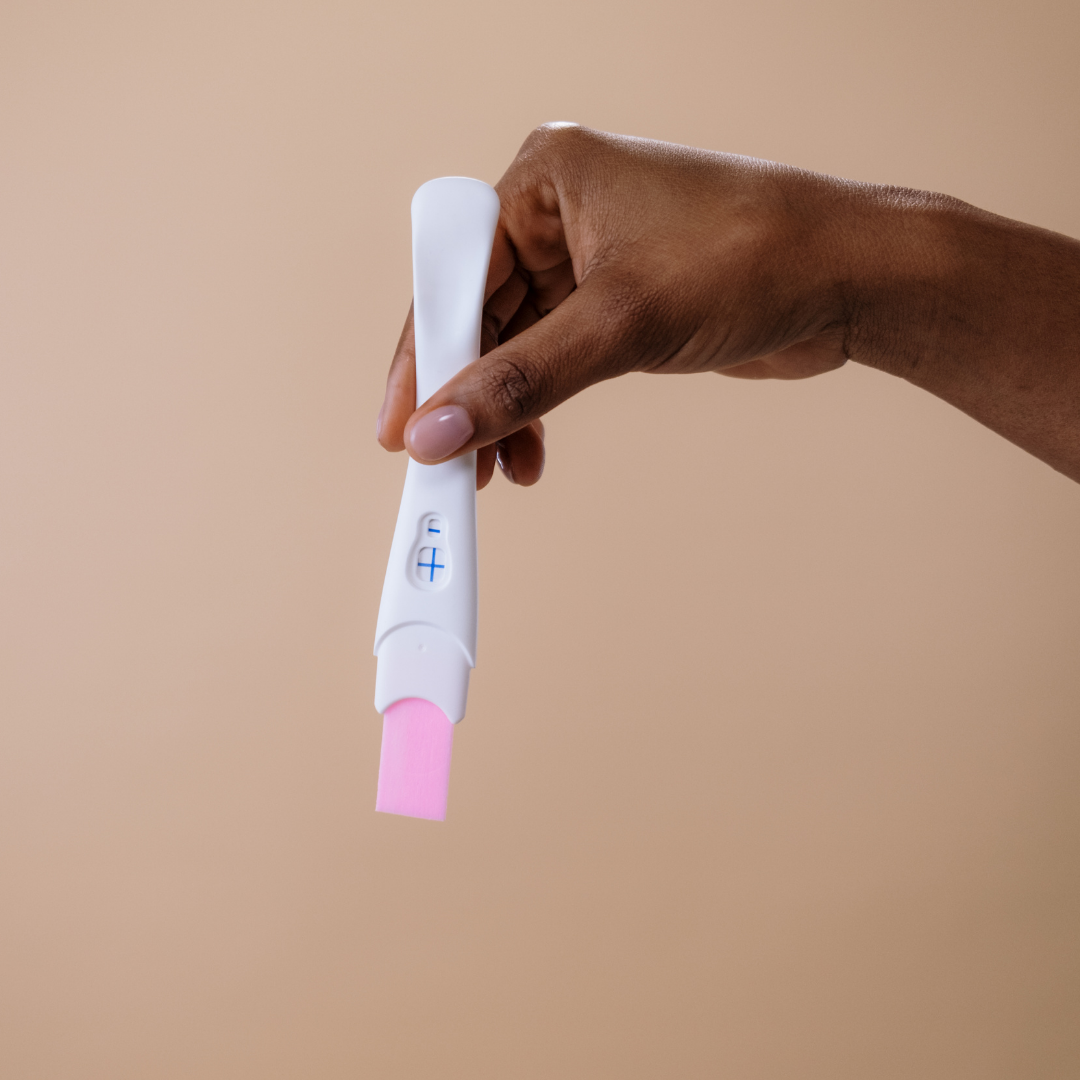
12-14 days after the embryo transfer, you will be able to have a pregnancy test.
Risks derived from in vitro fertilization
When a woman or a couple resorts to the in vitro fertilization method, they have most likely experienced negative results in other less invasive techniques such as artificial insemination or scheduled intercourse. Because yes, in vitro fertilization is a technique in which, despite generally obtaining good results, it is an invasive method.
There are risks from the removal of the egg (bleeding, infection, ovarian hyperstimulation syndrome,…) and risk of multiple pregnancies(with the added risks that this entails such as the possibility of having a premature child).
On the other hand, in vitro fertilization requires great load of energy, both physical and emotional and a extra cost of money and time:“It was a very hard stage. I felt useless, alone and guilty for not being able to give Sergio a child”– Sara remembers.“It is true that time was passing and with it the opportunities for pregnancy to occur, we were increasingly tired and disillusioned but we never considered throwing in the towel. We knew we would make it despite everything!”– says Sergio. Here you can read more about the importance of caring emotional health during pregnancy and about fear in pregnancy.
Factors that intervene in the chances of having a baby
It is important to keep in mind that there are various factors that influence the live birth rate, such as mother’s age, medical and reproductive history, and single embryo transfer.

In vitro fertilization offers higher pregnancy rates than other assisted reproduction treatments. However, it is important that you keep in mind that a good nutrition and food, physical exercise and stress relief are key to this treatment. In the following links you can read more about the advantages and benefits of physical exercise in the first trimester,physical exercise in the second trimester and physical exercise in the third trimester.
Thanks to our childbirth preparation classes you will enjoy your pregnancy more, you will have a safe birth and you will recover your pelvic floor quickly with just 20 minutes of exercise a day.
We are physiotherapists specializing in women’s pelvic floor. That is why we propose an appropriate exercise program adapted to your needs. With it you can control your posture, cradle your baby in your uterus and take care of your pelvic floor both to protect it and to exercise the muscles that will work the most during vaginal birth.